

Strengthening supply chains from within

From targets to delivery
Mitigate hard-to-abate upstream emissions and reduce operational risk
We help agri-food companies embed SBTi-aligned Scope 3 FLAG greenhouse gas emissions reductions directly within their supply chain farms.
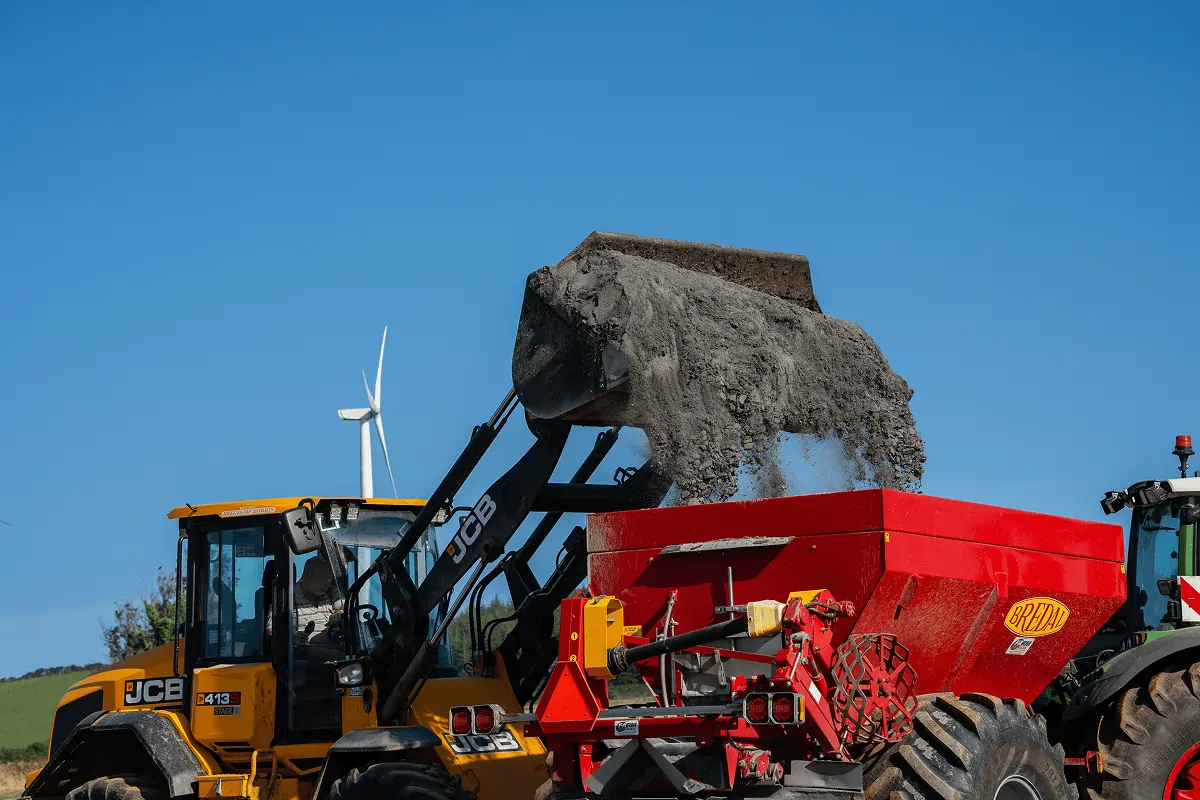

Healthy soils, healthy inventory
Get clarity on your carbon accounting
We ensure agri-food companies that use our service stay aligned with internationally recognised standards on integrating CO2 removal and greenhouse gas emissions reductions into product carbon footprints and inventories.


Beyond regenerative agriculture
Integrate inorganic CO2 removal into existing carbon farming programmes
Silicate’s solution offers additional benefits to soil organic carbon sequestration by increasing inorganic carbon storage.
There are two distinct, but complementary, pools of carbon in the world: organic ‘living’ carbon (plant/microbial matter) and inorganic ‘non-living’ carbon (geological).
Silicate’s solution can work in tandem with soil organic carbon interventions to maximise the total carbon sequestration potential of agricultural land.

Global traction
Trusted by industry pioneers to deliver on net zero pledges




Recognised for impact
Supported by global leaders to unlock the full potential of soils










Frequently asked questions
Answering the questions that matter
The dissolution of crushed limestone by carbonic acid turns atmospheric CO2 into bicarbonate (carbon storage molecule), an inorganic store of carbon. The carbon is in solution in soil water and transported to the ocean, where it is durably stored for >80,000 years.
Inorganic CO2 removal is repeatable. Once most of the limestone is dissolved and exported to the ocean as bicarbonate, additional deployments of crushed limestone can continue to remove CO2.
The Intergovernmental Panel on Climate Change's guidelines for greenhouse gas inventories set the default emission factor for limestone application to soils based on an assumption that 100% of the carbon stored in limestone is emitted as CO2 (IPCC, 2006, p. 27). However, field measurements show that a substantial percentage of the geologic carbon in the rock is converted to bicarbonate and exported via drainage waters, in the process capturing CO2 (Brantley, 2025; Hamilton et al., 2007).
Soil pH is a key factor driving variation in the amount of CO2 emitted or sequestered. By increasing the precision of fertiliser and limestone application based on the soil's requirements, Silicate maintains a more consistent soil pH. This work minimises the CO2 emissions from soil pH amendment with limestone and maximises its CO2 removal potential.
The IPCC guidelines also provide two alternative approaches for inventory accounting of limestone application to soils that integrate a specific data-derived emission factor and modelling procedure. We follow internationally recognised standards to quantify the CO2 emissions and removals to ensure accurate, evidence-based and conservative accounting.
We don’t increase the blanket rate of limestone applied, but rather assess the varying requirements for limestone within a field (based on soil pH) and apply it at a variable rate. Overall, the total volume of limestone is likely to decrease - reducing costs while maintaining soil health and yields.
Certain soil types and climatic conditions deliver optimum levels of CO2 removal. Silicate’s extensive soil-water chemistry database informs field selection and application rates to maximise performance.
There are two distinct pools of carbon in the world: organic carbon (plant/microbial matter) and inorganic carbon (geological). Silicate offers additional benefits to soil organic carbon sequestration through regenerative agricultural practices because limestone dissolution increases inorganic carbon storage, which is a more permanent store of carbon.